
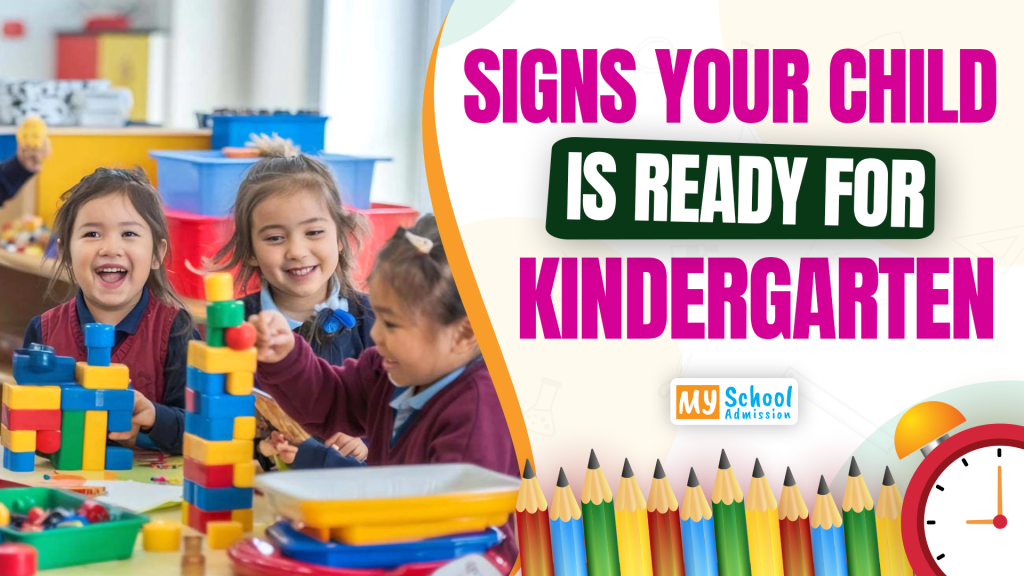
Starting kindergarten is an exciting milestone, but it can also make parents wonder if their child is ready for a new environment. The good news is that children do not need to know everything before they start school. Being ready for kindergarten is more about developing basic social, emotional, communication, and self-care skills. Here are 10 signs parents can look for.
1. Can Follow Simple Instructions
Your child can listen to and follow simple instructions, such as putting away toys, washing their hands, or getting their shoes. They may not follow every instruction perfectly, but being able to listen, understand, and complete simple tasks is a good starting point for school.
2. Can Communicate Basic Needs
Your child should be able to tell an adult when they are hungry, thirsty, need to use the toilet, feel uncomfortable, or need help. They do not need advanced communication skills, but being able to express their basic needs can help them feel more confident in the classroom.
3. Shows Some Independence
Being able to eat, wash hands, use the toilet, put on simple clothing, and manage personal belongings with limited help are useful skills. Encourage your child to try these tasks independently instead of stepping in immediately. This is an important part of kindergarten prep.
4. Can Separate From Parents
If your child can spend some time with a teacher, caregiver, relative, or at a playgroup without becoming extremely upset, it can be a positive sign. Some children may still feel nervous or cry when starting school, which is normal. What matters is their ability to gradually settle and become comfortable.
5. Enjoys Playing With Other Children
Children do not need to be highly social, but being comfortable around other children can make school easier. Sharing toys, taking turns, joining simple games, and asking for help during disagreements are useful social skills. Playdates, playground visits, and kids play school activities can help children practise these skills.
6. Can Focus on an Activity
Young children naturally have short attention spans, so they are not expected to sit quietly for long periods. However, being able to listen to a short story, complete a puzzle, draw, colour, or participate in a simple game shows that your child is developing the ability to focus on one activity at a time.
7. Can they Handle Small Changes?
School days follow routines, but not everything will always happen as expected. A child who can handle small changes, such as moving from one activity to another or trying something different, may adjust more easily. Parents can help by introducing small changes at home and explaining them calmly.
8. Learning to Manage Emotions
Children starting school will still get angry, frustrated, or upset. Emotional readiness does not mean your child never has tantrums. Instead, look for signs that they are beginning to recognise their feelings, express them, and calm down with support. This is one of the important signs of kindergarten readiness.
9. Shows Curiosity About Learning
A child who asks questions, enjoys stories, explores new things, or wants to know how things work is showing a positive attitude towards learning. Your child does not need to read or write before starting kindergarten. Encouraging curiosity through books, conversations, games, and everyday experiences is more valuable at this stage.
10. Are they Comfortable With Basic Routines?
Simple routines can make the transition to school much easier. Your child should gradually become comfortable with habits such as waking up at a regular time, eating meals, washing hands, putting belongings away, and following a bedtime routine. Practising these habits before school is a useful part of kindergarten prep.
How Can Parents Prepare Their Child?
If your child does not show every one of these signs of kindergarten readiness, there is no need to panic. Children develop at different rates, and some skills take longer to develop.
Parents can support their child’s kindergarten prep through simple activities such as reading together, encouraging independent tasks, arranging playdates, following daily routines, and giving children opportunities to interact with others.
You can also try kids play school activities at home. Let your child pretend to be a teacher or student, pack a small school bag, practise classroom routines, or play simple group games. These activities can make the idea of school more familiar without making preparation feel like extra homework.
How to Choose the Right Kindergarten?
Once your child appears ready for kindergarten, finding a suitable school is the next step. Consider factors such as location, fees, safety, teachers, classroom environment, facilities, activities, and the school’s approach to early learning.
My School Admission can help parents explore preschool profiles, compare available options, and check information such as fees and facilities. This makes it easier to shortlist a kindergarten based on your child’s needs and your family’s preferences.
Conclusion
Being ready for kindergarten is not about being academically perfect. Independence, communication, social interaction, emotional development, curiosity, and comfort with simple routines are some of the most useful signs of kindergarten readiness.
With patience, everyday practice, and age-appropriate kindergarten prep, parents can help their children approach their first school experience with greater confidence.
Frequently Asked Questions
1. What should a child have before starting kindergarten?
A child does not need to know everything before starting kindergarten. Basic skills such as following simple instructions, communicating their needs, using the toilet, managing small tasks independently, interacting with other children, and handling simple routines can make the transition easier.
2. How can I tell if my child is ready for kindergarten?
Some common signs of kindergarten readiness include being comfortable away from parents, following simple instructions, communicating basic needs, playing with other children, focusing on short activities, and managing everyday routines with some independence.
3. How can I prepare my child for kindergarten at home?
Simple kindergarten prep can include reading together, practising dressing and eating independently, following a regular routine, arranging playdates, and teaching your child how to pack and look after their belongings. You can also talk positively about what to expect at school.
4. Does my child need to know the alphabet and numbers before kindergarten?
Not necessarily. While recognising some letters and numbers can be helpful, children are not expected to master academics before starting school. Developing communication, social, and self-care skills is often more important for being ready for kindergarten.
5. How can I help my child who is nervous about starting kindergarten?
Talk about school positively and explain what your child can expect without making unrealistic promises. Visiting the school beforehand, practising short separations, meeting other children, can make the new environment feel more familiar.
6. Is it normal if my child still needs help with some things before kindergarten?
Yes. Children develop at different rates, and it is normal for a child to still need help with certain tasks. Instead of expecting complete independence immediately, parents can gradually encourage their child to try everyday tasks on their own as part of kindergarten prep.
7. How can I choose the right kindergarten for my child?
Consider the school’s location, fees, safety, teacher-to-student ratio, classroom environment, facilities, activities, and teaching approach. Parents can use My School Admission to explore school profiles, compare options, and shortlist schools based on their child’s needs and family preferences.