
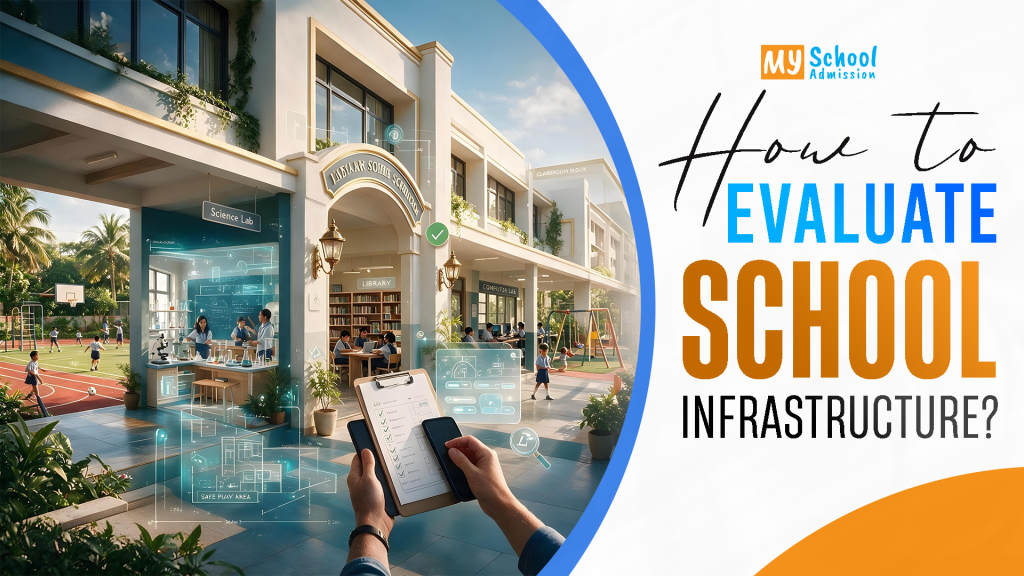
Choosing the right school for your child involves far more than looking at a brochure or a website gallery. A school visit is where parents get the clearest picture of what the campus actually offers, and one of the most important things to check during this visit is the school infrastructure. From classrooms to playgrounds, the physical setup of a school directly affects your child’s daily comfort, safety, and learning experience. Here’s a practical guide to help you evaluate it properly.
Why Infrastructure Matters
A school’s academic reputation is important, but it means little if the day-to-day environment isn’t safe or functional. Good infrastructure of school supports better concentration, physical activity, and overall wellbeing for students. Poorly maintained buildings, cramped classrooms, or unsafe play areas can affect a child’s experience regardless of how strong the curriculum is on paper. This is why a physical visit, rather than relying only on online listings, remains one of the most reliable ways to judge a school.
Start With the Classrooms
When you walk into a classroom, notice the basics first: is there enough natural light, ventilation, and space between desks? Overcrowded classrooms can affect a child’s ability to focus and participate. Also check the condition of furniture, boards, and any digital learning tools like smart boards or projectors. Well-maintained classrooms are usually a good indicator of how seriously a school invests in its overall school infrastructure.
Check the Safety Measures
Safety should never be an afterthought. Look for CCTV coverage in common areas, fire safety equipment, clearly marked emergency exits, and secure entry points with visitor logs. Ask about the school’s protocol for medical emergencies and whether a trained nurse or first-aid facility is available on campus. These details often don’t show up in photos, so seeing them in person during the visit is essential.
Evaluate Sports and Play Areas
Physical activity plays a big role in a child’s development, so take time to check the playgrounds, sports courts, and indoor activity spaces. Ask whether the play areas are age-appropriate, especially if you’re evaluating a preschool or primary section. A school with well-planned outdoor and indoor facilities in school tends to offer a more balanced routine for students, mixing academics with physical and social development.
Look at Labs, Library, and Special Rooms
For higher grades, science and computer labs matter a lot. Check if the labs are properly equipped and whether students get hands-on access rather than just demonstrations. The library is another area worth spending time in, look at the range of books, seating space, and whether it’s actively used by students. Art rooms, music rooms, and activity halls, if available, are worth checking too, since they reflect how much the school supports interests beyond core academics.
Don’t Skip the Basics
It’s easy to get distracted by bigger facilities and forget to check the essentials, clean washrooms, drinking water access, cafeteria or canteen hygiene, and general cleanliness across the campus. These day-to-day basics affect your child far more consistently than the more impressive-looking facilities in school that schools often highlight during tours.
Ask About Transport and Hostel Facilities (If Needed)
If your child will need school transport or hostel accommodation, use the visit to ask specific questions: route coverage, bus safety measures, warden supervision for hostels, and meal arrangements. These aren’t always covered during a general campus tour unless you ask directly, so it helps to have a checklist ready before you go.
Talk to Teachers and Staff During the Visit
Beyond the physical setup, take a few minutes to interact with teachers or administrative staff if possible. Their responsiveness and willingness to answer questions can tell you a lot about how the school functions day to day, which complements what you observe about the campus itself.
Shortlisting Schools with My School Admission Before You Visit
Planning a school visit is easier when you already have a shortlist based on solid information. On my school admission, every school profile includes a dedicated Facilities section along with a Gallery tab, giving you a preview of the campus, classrooms, sports areas, and activity spaces before you plan an in-person visit. The Compare School tool lets you place two or three shortlisted schools side by side to check facilities, fees, curriculum, and location together, so you walk into each visit already knowing what to look for. If you’re unsure which schools to shortlist in the first place, MSA’s free expert counselling and Smart Search can help narrow down options based on your budget, preferred board, and location, making your campus visits more focused and productive.
Final Thoughts
A school visit gives you information no website or brochure can fully capture. Paying close attention to classrooms, safety measures, play areas, and everyday basics will help you get a realistic sense of the school infrastructure and whether it truly supports your child’s growth. Combine what you observe during the visit with the details available on platforms like My School Admission, and you’ll be in a much stronger position to make a confident, well-informed decision.
Frequently Asked Questions
What should parents look for first during a school visit?
Start by checking classrooms, safety measures, and cleanliness. These basics reveal a lot about the school infrastructure and how well it’s maintained day to day.
Why is infrastructure important when choosing a school?
Strong infrastructure of school supports better learning, safety, and comfort for students, which directly affects your child’s overall school experience.
What safety features should be checked during a visit?
Look for CCTV coverage, fire safety equipment, marked emergency exits, and secure entry points to ensure the school infrastructure meets basic safety standards.
How can parents evaluate sports and play areas?
Check if the play areas are age-appropriate and well-maintained, since good facilities in school for physical activity support a child’s overall development.
What should be checked in labs and libraries?
Ensure labs are properly equipped for hands-on use and the library has an active reading space, both key parts of a school’s infrastructure.
Are washrooms and basic amenities important to check?
Yes, clean washrooms, drinking water access, and hygiene in the cafeteria matter more day-to-day than more visible facilities in school.
Should parents ask about transport and hostel facilities during the visit?
Yes, ask about route coverage, bus safety, and hostel supervision directly, as these details aren’t always covered in a general tour of the school infrastructure.
Is talking to teachers during the visit useful?
Yes, interacting with teachers or staff gives insight into how the school functions daily, complementing what you observe about the facilities in school.